Iron is one of the most critical minerals for human health, yet iron deficiency remains the most common nutritional disorder worldwide. It serves as the primary building block for hemoglobin, the protein in red blood cells responsible for carrying oxygen from your lungs to the rest of your body. When iron levels drop, the body cannot produce enough healthy oxygen-carrying red blood cells, leading to a condition known as anemia. This can result in persistent fatigue, weakness, pale skin, and a weakened immune system.
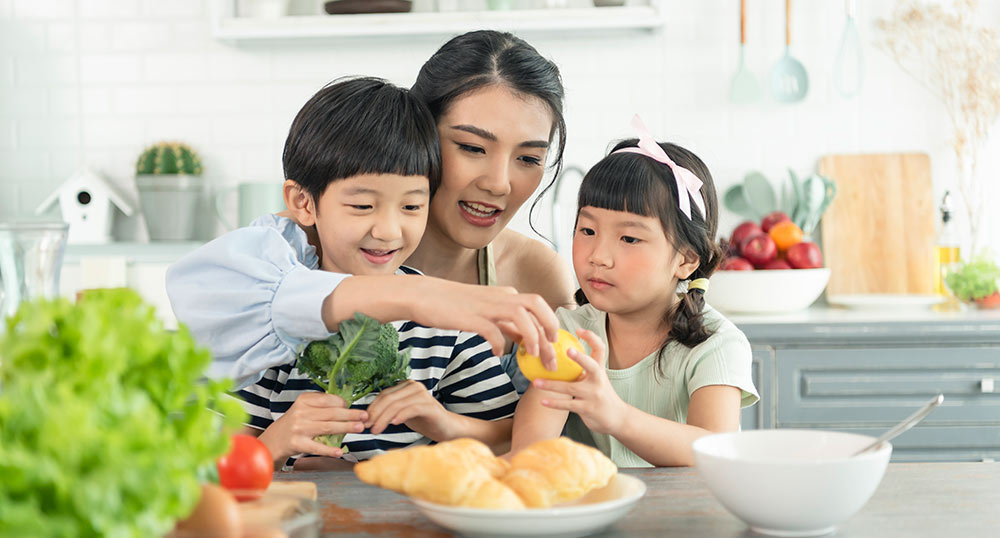
Understanding how to incorporate iron-rich foods into your diet and mastering the art of nutrient absorption are the most effective ways to prevent anemia. This article provides a comprehensive guide to the best dietary sources of iron and practical lifestyle strategies to maintain optimal blood health.
Identifying the Best Dietary Sources of Iron
To effectively prevent anemia, it is essential to understand that not all dietary iron is created equal. Iron in food exists in two forms: Heme and Non-Heme.
Heme Iron: The Highly Absorbable Option
Heme iron is found in animal-based foods. This type of iron is highly bioavailable, meaning the body absorbs it much more efficiently (about 15% to 35%) than the iron found in plants. Excellent sources of heme iron include:
- Red Meat: Beef and lamb are among the richest sources.
- Organ Meats: Liver is exceptionally high in iron, though it should be consumed in moderation.
- Seafood: Shellfish like clams, oysters, and mussels are surprisingly dense in iron.
- Poultry: Dark meat turkey and chicken offer more iron than white meat portions.
Non-Heme Iron: The Plant-Based Powerhouse
Non-heme iron is found in plant-based foods and fortified products. While the body absorbs it at a lower rate (about 2% to 20%), it is a vital source for vegetarians and vegans. Top sources include:
- Legumes: Lentils, chickpeas, kidney beans, and soybeans are staples for blood health.
- Spinach and Leafy Greens: While famous for iron, spinach also contains oxalates that can hinder absorption, so it is best eaten cooked or paired with enhancers.
- Seeds and Nuts: Pumpkin seeds (pepitas), sesame seeds, and cashews are excellent nutrient-dense snacks.
- Fortified Cereals: Many breakfast cereals and breads are enriched with iron to help meet daily requirements.
Mastering the Art of Iron Absorption
Simply eating iron-rich foods is only half the battle. The body’s ability to use that iron depends heavily on what else you consume during your meal. To prevent anemia, you must learn to pair your foods strategically.
The Power of Vitamin C
Vitamin C is the single most effective enhancer of non-heme iron absorption. It helps break down iron into a form that the body can easily process. To maximize your intake, always pair plant-based iron sources with Vitamin C-rich foods. For example, squeeze lemon juice over sautéed spinach, add sliced bell peppers to a bean salad, or have a glass of orange juice with your fortified morning cereal.
The “Meat Factor”
Interestingly, consuming small amounts of meat, fish, or poultry along with plant-based iron sources can actually increase the absorption of the non-heme iron. This is often referred to as the “MPF factor” (Meat, Poultry, Fish factor), making a beef and lentil stew far more effective than lentils alone.
Avoiding Common “Iron Inhibitors”
Just as some foods help iron absorption, others can significantly block it. If you are at risk for anemia, you should be mindful of these common inhibitors during mealtimes:
- Calcium: High amounts of calcium can interfere with both heme and non-heme iron absorption. If you take calcium supplements or consume large amounts of dairy, try to do so between meals rather than with your primary iron source.
- Tannins and Polyphenols: Found in tea and coffee, these compounds can reduce iron absorption by up to 60-70%. It is best to wait at least an hour after eating before enjoying your tea or coffee.
- Phytates: Found in whole grains and some legumes, phytates can hinder absorption. Soaking beans and grains before cooking can help reduce phytate levels.
Practical Lifestyle Strategies for Anemia Prevention
Beyond diet, several lifestyle habits can support healthy iron levels and overall vitality.
Consistent Meal Planning
Anemia prevention is not about one “super meal”; it is about consistency. Incorporating small amounts of iron throughout the day is more effective than one large dose, as the body can only absorb a certain amount of iron at one time.
Use Cast Iron Cookware
An old-fashioned but scientifically backed method is cooking in cast iron pots and pans. Small amounts of dietary iron leach into the food, especially when cooking acidic foods like tomato sauce. This can provide a subtle but steady boost to your daily intake.
Know When to Supplement
While a food-first approach is ideal, some individuals—such as pregnant women, athletes, or those with certain digestive conditions—may require supplements. However, iron supplements should only be taken under the guidance of a healthcare professional, as excessive iron can be toxic and cause digestive distress.
Conclusion
Preventing anemia is a journey that starts on your plate. By diversifying your protein sources, embracing a wide variety of legumes and seeds, and strategically using Vitamin C to unlock the potential of plant-based iron, you can maintain robust energy levels and a healthy circulatory system.
Remember that iron is a fundamental fuel for your body’s daily duties. When you prioritize blood health through mindful eating and informed choices, you are investing in your long-term stamina and cognitive function. Simple changes, like switching to whole grains or adding a side of citrus to your salad, can make a profound difference in how you feel every day. Stay informed, eat colorfully, and let your diet be your first line of defense against fatigue and anemia.