Maximizing Your Wellness Journey: A Comprehensive Guide to Health Plus

In an era where the pace of life seems to accelerate every day, maintaining optimal well-being has transitioned from a luxury to a necessity. People are increasingly looking for holistic solutions that bridge the gap between basic nutrition and peak physical performance. Among the myriad of options available in the wellness industry, Health Plus has emerged as a significant contender, offering a structured approach to health management that resonates with modern lifestyles.

Health Plus

This article delves deep into the essence of Health Plus, exploring its core benefits, its role in a balanced lifestyle, and why it has become a staple for those committed to long-term vitality.


Understanding the Philosophy of Health Plus

At its core, Health Plus is not just a single product or a fleeting trend; it represents a comprehensive philosophy of proactive health. Unlike reactive healthcare, which focuses on treating symptoms after they appear, the Health Plus approach … Read more

A Comprehensive Guide to Healing Your Gut

The human gut, often referred to as the body’s “second brain,” is far more than just a digestive tract. It is a vast, complex ecosystem—the microbiome—teeming with trillions of bacteria, fungi, and other microbes that influence everything from nutrient absorption and immune defense to mood regulation and chronic disease risk. When this intricate ecosystem is out of balance, often called dysbiosis or a “leaky gut,” the consequences can manifest throughout the entire body.

Healing your gut is a systematic process of repair, restoration, and maintenance that can dramatically improve physical and mental health. It requires moving beyond quick fixes and embracing sustainable lifestyle and dietary changes that support your internal ecosystem.


Phase 1: Removing the Irritants (The “4 Rs” – Remove)

The initial step in gut repair is to eliminate the foods, toxins, and stressors that are actively damaging the gut lining and disrupting the microbial balance.

1. Dietary Triggers

Read more

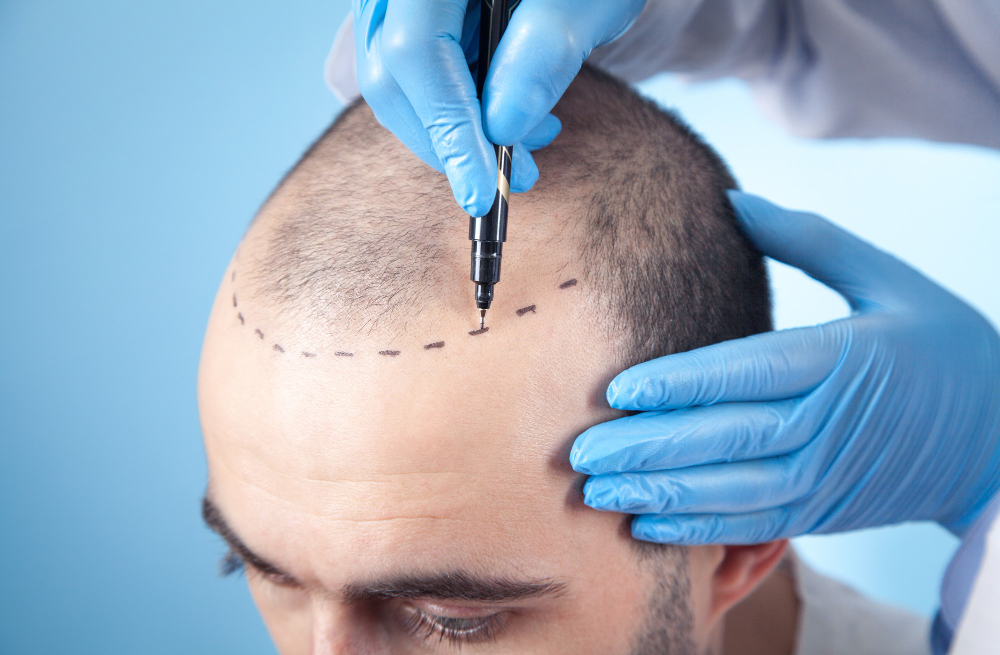
Beyond the Procedure: A Guide to Managing Your Hair After a Hair Transplant

Congratulations! You’ve taken the first step toward restoring your hairline and confidence with a hair transplant. While the procedure itself is a significant milestone, the journey doesn’t end when you leave the clinic. The crucial period that follows—from the initial recovery to long-term hair care—is paramount to the success and longevity of your results. Proper management of your newly transplanted hair is not just about aesthetics; it’s about protecting your investment and ensuring your new hairline thrives.

This comprehensive guide will walk you through everything you need to know about managing your hair after a hair transplant, from the immediate post-operative period to a long-term care routine. We’ll cover essential dos and don’ts, debunk common myths, and provide practical tips to help you achieve the best possible outcome.


Phase 1: The Immediate Aftermath (Days 1-14)

This is the most critical phase for the survival of your newly transplanted grafts. … Read more

25 Simple Methods To Eat More Healthy Every Day

In the modern world, healthy eating is often portrayed as an expensive, time-consuming, and overly complicated endeavor. We are frequently bombarded with information about “superfoods” from remote locations or restrictive diets that require us to eliminate entire food groups. However, true health is rarely achieved through drastic, short-term changes. Instead, it is the result of small, consistent habits integrated into our daily routines.

By making minor adjustments to how we shop, cook, and consume our meals, we can significantly improve our nutritional intake without feeling overwhelmed. Here are 25 simple and practical methods to help you eat more healthy every single day.

Foundations of Mindful Consumption

1. Drink a Glass of Water Before Every Meal

Thirst is often mistaken for hunger. Drinking water 20 minutes before a meal helps with hydration and can prevent overeating by making you feel slightly fuller.

2. Use Smaller Plates

The size of our dinnerware … Read more

Signs Your College Student May Be Using Drugs

The transition to college is a period of intense freedom, high stress, and profound self-discovery. Unfortunately, this environment—characterized by academic pressure, social opportunities, and newfound independence—also creates fertile ground for experimentation with drugs and alcohol. For parents, recognizing the signs of substance use in a college student can be incredibly challenging, as many behavioral changes associated with drug use can easily be mistaken for typical student life: late nights, changing social circles, and inconsistent performance.

However, while some changes are normal, persistent and extreme shifts in behavior, appearance, and academic performance often signal a deeper underlying issue. Recognizing these distinct patterns is the first, most crucial step in addressing potential drug use and seeking necessary help.


Phase 1: Academic and Financial Red Flags

One of the clearest indicators that something serious is wrong often appears in the areas that parents typically monitor most closely: school performance and financial stability.… Read more