Nearly 60% of new mothers struggle to maintain adequate milk supply during their first three months of breastfeeding, while 73% report anxiety about pumping in public spaces. These dual challenges create overwhelming stress during an already demanding period of motherhood. The constant worry about milk production combined with the need for discretion when pumping away from home leaves many mothers feeling isolated and defeated in their breastfeeding journey.
Electric breast pumps have emerged as game-changing solutions that address both concerns effectively. These innovative devices offer consistent, efficient milk extraction that supports and maintains healthy milk supply while providing the portability and discretion modern mothers need. Throughout this guide, we’ll explore proven techniques for maximizing milk production, mastering discreet public pumping, and maintaining your equipment for optimal performance. Every mother deserves to feel confident and empowered in her feeding choices, and the right electric breast pump knowledge can transform your breastfeeding experience from stressful to successful.
Understanding Electric Breast Pumps and Milk Supply
Milk production operates on a supply-and-demand principle where frequent breast emptying signals your body to produce more milk. The hormone prolactin increases with each pumping session, while oxytocin triggers milk ejection during let-down. Electric breast pumps excel at mimicking natural nursing patterns through adjustable suction levels and cycling speeds that manual pumps simply cannot replicate consistently.

Unlike manual pumps that rely on hand strength and can cause fatigue, electric models provide steady, customizable suction that maintains effectiveness throughout longer sessions. This consistency proves crucial for establishing robust milk supply, as irregular stimulation often leads to decreased production over time. Electric pumps also offer hands-free options and dual pumping capabilities that significantly reduce time investment.
Maintaining regular pumping schedules every 2-3 hours during the day helps establish your body’s natural rhythm and prevents engorgement that can signal supply reduction. Many mothers believe stress or certain foods drastically impact supply, but research shows consistent breast emptying remains the primary factor. While relaxation and nutrition support overall health, the mechanical stimulation from quality electric pumps provides the most reliable foundation for sustained milk production throughout your breastfeeding journey.
Maximizing Milk Production with Your Electric Breast Pump
Optimal Pumping Techniques
Begin pumping sessions every 2-3 hours, including one overnight session to maintain prolactin levels. Measure your nipple diameter to ensure proper flange fit – the correct size should allow comfortable nipple movement without areola pulling. Start with stimulation mode for 2-3 minutes, then switch to expression mode at comfortable suction levels. Perform gentle breast massage in circular motions during pumping, working from the outer breast toward the nipple to encourage complete milk removal and trigger additional let-downs.

Nutritional Support Strategies
Incorporate galactagogue foods like oats, fennel seeds, and leafy greens into daily meals while maintaining a balanced diet of 2,300-2,500 calories. Drink 8-10 glasses of water daily, keeping a water bottle nearby during each pumping session. Consider fenugreek or blessed thistle supplements only after consulting your healthcare provider, as individual responses vary significantly and some herbs can affect milk supply negatively.
Power Pumping Protocols
Schedule power pumping sessions during your body’s natural prolactin peak, typically between 1-5 AM or when you normally experience strongest let-down. Follow this pattern: pump 20 minutes, rest 10 minutes, pump 10 minutes, rest 10 minutes, then pump 10 minutes final. Expect gradual supply increases over 3-7 days of consistent power pumping. Alternate power pumping with regular nursing sessions rather than replacing them, as your baby’s natural sucking provides irreplaceable stimulation for optimal milk production.
Mastering Discreet Pumping in Public
Portable Pump Selection Criteria
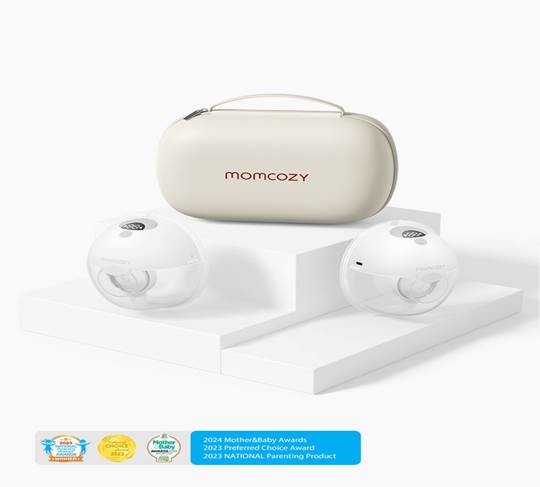
Choose electric pumps operating below 45 decibels to maintain privacy in quiet environments like offices or libraries. Compact models weighing under two pounds fit easily in standard purses or diaper bags without drawing attention. Battery-powered pumps with 3-4 hour continuous operation eliminate dependence on wall outlets and provide flexibility for extended outings or travel situations. Brands like Momcozy have developed wearable pumps that offer hands-free operation while maintaining the quiet performance essential for discreet public use.
Discretion Techniques
Transform nursing covers into pumping shields by creating small openings for tubing while maintaining full coverage. Scout locations with electrical outlets near comfortable seating, such as airport lounges, department store nursing rooms, or quiet café corners. Wear button-down shirts, nursing tanks, or wrap-style tops that provide easy breast access without full undressing. Practice assembling your pump system at home to achieve quick, quiet setup in under two minutes when in public spaces.
Public Pumping Confidence Builders
Federal law protects your right to pump in most public spaces, and many states have additional breastfeeding protection laws. Combat social anxiety by starting with familiar locations like your workplace or trusted friend’s home before venturing to busier public areas. Pack emergency supplies including extra batteries, backup storage bags, and wet wipes in a dedicated pumping kit to handle unexpected situations confidently.
Essential Maintenance: Breast Pumps and Baby Bottle Washers
Clean pump parts immediately after each session with warm soapy water, paying special attention to valve membranes and tubing connections where milk residue commonly accumulates. Rinse thoroughly and air dry on clean towels to prevent bacterial growth. Sterilize all pump components daily using steam bags, boiling water for 5 minutes, or UV sanitizers designed for breast pump accessories.
Baby bottle washers with rotating brushes effectively clean narrow pump bottles and remove stubborn milk film that standard sponges miss. Choose washers with interchangeable brush heads sized for different bottle necks and valve components. Electric bottle washers provide consistent cleaning pressure and reach areas manual scrubbing often overlooks, particularly important for maintaining pump hygiene standards.
Pack travel-sized bottle brushes, sanitizing wipes, and portable steam bags for maintaining cleanliness during extended outings or business trips. Replace valve membranes every 2-3 months or when they appear cracked, as worn valves significantly reduce suction efficiency. Keep spare tubing, connectors, and bottles in your pump kit since replacement parts often fail unexpectedly. Schedule monthly deep cleaning sessions using specialized pump cleaning solutions that dissolve milk proteins and eliminate odors that regular washing cannot address completely.
Troubleshooting Common Electric Breast Pump Issues
When suction feels weak, first check valve membranes for cracks or improper positioning, as these tiny components control airflow efficiency. Ensure all connections are airtight by pressing tubing firmly into pump motor and bottle assemblies. If suction remains inadequate, clean battery contacts with a dry cloth and verify full charge levels, as low power significantly reduces motor performance.
Address pumping discomfort by adjusting suction to the highest comfortable level rather than maximum setting, as excessive pressure can cause tissue damage without improving milk output. Verify flange size accuracy by measuring nipple diameter after pumping – properly fitted flanges should leave minimal areola marks. Apply lanolin cream before sessions if soreness persists, and consider alternating between different suction patterns to prevent tissue irritation.
Combat sudden milk supply drops by increasing pumping frequency temporarily while maintaining consistent session durations. Stress, illness, or hormonal changes can temporarily affect output, but consistent breast stimulation typically restores normal production within 3-5 days. When experiencing complete power failure, keep manual backup pumps or hand expression techniques ready, and always carry portable battery packs for extended outings to prevent missed pumping sessions that could impact supply.
Your Path to Successful Electric Breast Pump Mastery
Electric breast pumps revolutionize the modern breastfeeding experience by addressing two critical challenges: maintaining robust milk supply and enabling discreet pumping anywhere. Through consistent stimulation patterns that manual pumps cannot match, these devices support your body’s natural milk production while offering the portability and quiet operation essential for today’s active mothers. The combination of proper pumping techniques, strategic public pumping approaches, and diligent maintenance routines creates a sustainable foundation for successful breastfeeding journeys.
Remember that daily cleaning protocols, regular sterilization, and timely replacement of worn components ensure optimal pump performance and protect your baby’s health. When challenges arise, systematic troubleshooting approaches resolve most common issues quickly, keeping your pumping routine on track. Your breastfeeding journey is unique, and these electric breast pump solutions adapt to your individual needs and lifestyle demands. Trust in your ability to master these techniques, embrace the confidence that comes with proper preparation, and celebrate every milestone in nourishing your baby. You have the knowledge and tools necessary to transform potential breastfeeding stress into an empowering experience of maternal strength and connection.