For millions of people, hair loss is more than a physical change—it can be a significant blow to confidence and self-esteem. In the search for a lasting solution, hair transplantation has emerged as a leading and highly effective option. But is it the right choice for everyone?
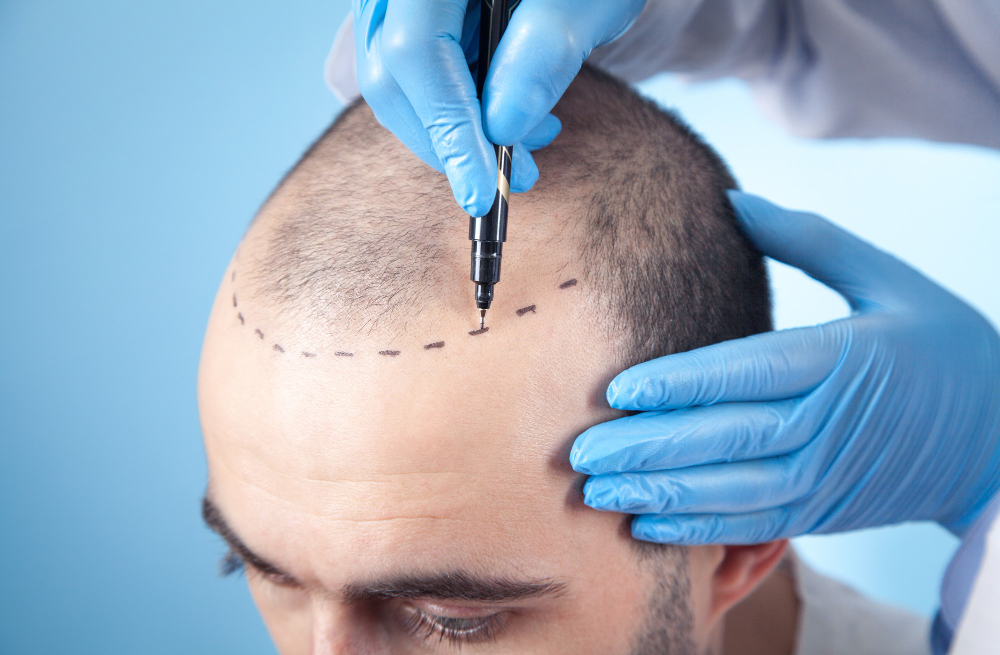
Like any medical procedure, a hair transplant comes with its own set of pros and cons. Understanding these factors is crucial before making a decision. This article will break down the key advantages and disadvantages of hair transplantation and explore a popular non-surgical alternative: Scalp Micropigmentation.
The Advantages of a Hair Transplant
A modern hair transplant is a sophisticated surgical procedure that involves moving hair follicles from a dense “donor area” (typically the back and sides of the head) to a balding or thinning “recipient area.” When done correctly by a skilled surgeon, the benefits are significant.
1. A Natural and Permanent Solution
This is the single greatest advantage. The transplanted hair is your own, meaning it will grow, look, and feel completely natural. The follicles harvested from the donor area are genetically resistant to the hormone (DHT) that causes male pattern baldness. Once transplanted, they retain this resistance, making the results permanent.
2. Dramatically Improved Appearance and Confidence
A successful hair transplant can restore a more youthful hairline and add density to thinning areas, fundamentally changing your appearance for the better. This physical transformation often leads to a powerful boost in self-confidence and psychological well-being.
3. Low Maintenance After Recovery
Once the initial recovery period is over and the new hair has grown in (which can take 9-12 months), it requires no special care. You can wash, cut, style, and dye your transplanted hair just like the rest of your hair. There are no special shampoos or routines to maintain.
4. Cost-Effective in the Long Run
While the upfront cost of a hair transplant is high, it can be more economical over a lifetime compared to the ongoing costs of non-surgical solutions like prescription medications, specialized hair systems, or topical treatments, which require continuous purchase to maintain results.
[obraz_1]
The Disadvantages of a Hair Transplant
Despite its benefits, a hair transplant is a serious undertaking with potential downsides to consider.
1. The High Upfront Cost
There’s no getting around it: hair transplants are expensive. The price can range from a few thousand to well over $15,000, depending on the extent of hair loss, the technique used (FUE vs. FUT), and the surgeon’s reputation. This cost is rarely covered by insurance.
2. It is a Surgical Procedure with Risks
Although generally safe, a hair transplant is still surgery. It involves local anesthesia and carries risks such as infection, bleeding, and scarring. While modern techniques like FUE (Follicular Unit Extraction) minimize scarring, tiny dot scars will still be present in the donor area.
3. The Lengthy and Uncomfortable Recovery
The recovery process requires patience. The initial week involves swelling, scabbing, and discomfort. You’ll need to follow strict post-operative care instructions to ensure the grafts survive. Furthermore, there’s a phase known as “shock loss,” where the newly transplanted hairs (and sometimes surrounding native hairs) fall out before beginning their new growth cycle.
4. The Results Are Not Instantaneous
This is a critical point to manage expectations. You won’t walk out of the clinic with a full head of hair. The final results of a hair transplant take a long time to become visible, typically between 8 to 12 months, and can sometimes take up to 18 months for full maturation.
5. Success Depends on Your Donor Hair
A transplant doesn’t create new hair; it simply relocates it. Therefore, the success of the procedure is limited by the quantity and quality of your available donor hair. If your hair loss is too advanced, you may not be a suitable candidate.
An Alternative to Consider: Scalp Micropigmentation (SMP)
For those who are not ideal candidates for a transplant, or who are looking for a non-surgical solution, Scalp Micropigmentation (SMP) has become a highly popular and effective alternative.
What is Scalp Micropigmentation?
Scalp Micropigmentation is a cosmetic, non-invasive procedure that is often described as a “hair tattoo.” However, it is far more specialized than a traditional tattoo. Using micro-fine needles and specialized carbon-based pigments, a trained practitioner deposits thousands of tiny pigment dots into the upper dermis of the scalp.
The goal is to perfectly replicate the appearance of individual hair follicles. The result is an incredibly realistic illusion of hair.
How is SMP Used?
- To Create a “Buzz Cut” Look: For men who are completely bald or have significantly receded hairlines, SMP can create the look of a full, closely shaved head of hair. It restores the hairline and provides a clean, modern aesthetic.
- To Add Density: For men and women with diffuse thinning, SMP can be applied between existing hairs. This reduces the contrast between the hair and the visible scalp, creating an illusion of thicker, denser hair.
- To Conceal Scars: SMP is exceptionally effective at camouflaging scars on the scalp, including those from older “strip” method (FUT) hair transplants.
SMP is less expensive than a hair transplant, has no real downtime, and the results are immediate. However, it does not give you actual hair that grows. It is a 2D illusion and requires touch-ups every 4-6 years to maintain its appearance.
The Final Verdict
Choosing how to address hair loss is a deeply personal decision. A hair transplant offers a permanent, natural, and life-changing solution for the right candidate, but it comes with a high price tag, a surgical process, and a long wait for results.
Alternatives like Scalp Micropigmentation provide a fantastic, non-surgical option for creating the illusion of density or a sharp buzz cut.
The most important step is to do your research and consult with a qualified, board-certified surgeon and a reputable SMP practitioner. They can properly assess your hair loss, discuss your goals, and help you determine which path is the best one for you.