In the modern world, healthy eating is often portrayed as an expensive, time-consuming, and overly complicated endeavor. We are frequently bombarded with information about “superfoods” from remote locations or restrictive diets that require us to eliminate entire food groups. However, true health is rarely achieved through drastic, short-term changes. Instead, it is the result of small, consistent habits integrated into our daily routines.
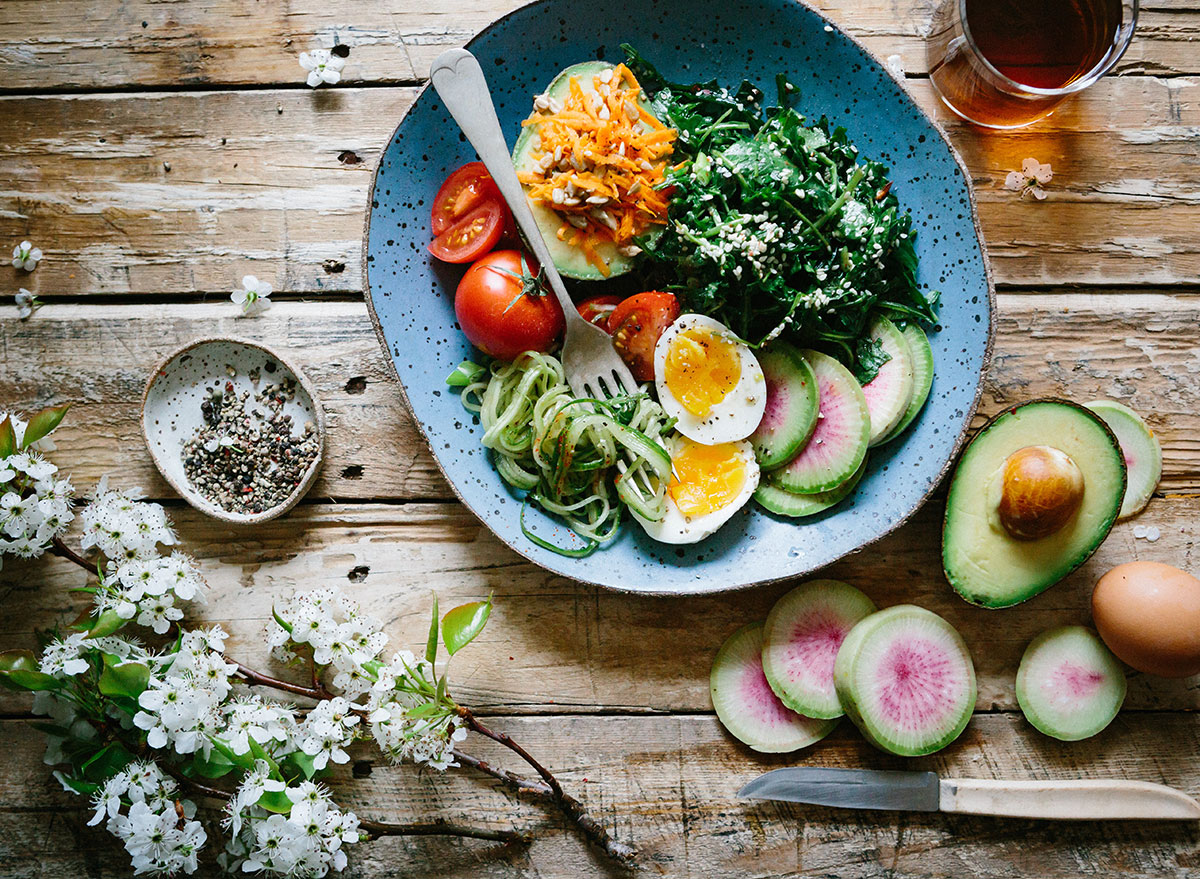
By making minor adjustments to how we shop, cook, and consume our meals, we can significantly improve our nutritional intake without feeling overwhelmed. Here are 25 simple and practical methods to help you eat more healthy every single day.
Foundations of Mindful Consumption
1. Drink a Glass of Water Before Every Meal
Thirst is often mistaken for hunger. Drinking water 20 minutes before a meal helps with hydration and can prevent overeating by making you feel slightly fuller.
2. Use Smaller Plates
The size of our dinnerware influences our perception of portion sizes. Using a smaller plate tricks the brain into thinking you are eating a larger portion, which can help reduce calorie intake without a sense of deprivation.
3. Eat Without Distractions
Put away the smartphone and turn off the television. Eating mindfully allows you to enjoy the flavors of your food and, more importantly, helps you recognize your body’s “full” signals before you overindulge.
4. Chew Your Food Thoroughly
Digestion begins in the mouth. Chewing slowly not only aids digestion but also gives your brain the necessary time (usually about 20 minutes) to register that you are satisfied.
5. Start Your Meal with a Salad or Soup
Beginning your lunch or dinner with a fiber-rich salad or a water-based vegetable soup can help fill you up with low-calorie nutrients, reducing the amount of the heavier main course you consume.
Smart Swaps and Additions
6. Choose Whole Grains Over Refined Ones
Replace white bread, pasta, and rice with whole-grain versions like brown rice, quinoa, or whole-wheat bread. Whole grains provide more fiber, B vitamins, and minerals.
7. Add One Extra Vegetable to Every Meal
Whether it is adding spinach to your morning eggs or extra peppers to your evening stir-fry, increasing your vegetable intake is the easiest way to boost fiber and antioxidants.
8. Opt for Plain Yogurt
Flavored yogurts are often packed with hidden sugars. Choose plain Greek yogurt and add your own sweetness using fresh fruit or a small drizzle of honey.
9. Use Herbs and Spices Instead of Salt
To reduce sodium intake, flavor your food with garlic, ginger, turmeric, basil, or lemon juice. These not only enhance taste but also offer anti-inflammatory benefits.
10. Swap Soda for Sparkling Water
Liquid calories from sugary drinks are a major contributor to health issues. If you crave carbonation, switch to sparkling water with a squeeze of fresh lime or lemon.
11. Snack on Raw Nuts and Seeds
Instead of reaching for crackers or chips, choose a handful of walnuts, almonds, or pumpkin seeds. They provide healthy fats and protein that keep you satiated longer.
Strategic Meal Planning and Preparation
12. Cook at Home More Often
When you prepare your own food, you have total control over the ingredients. You can minimize sugar, salt, and unhealthy fats that are typically abundant in restaurant meals.
13. Pack Your Own Lunch
Bringing a home-cooked meal to work prevents the “emergency” purchase of fast food or processed snacks during a busy workday.
14. Roast Vegetables in Batches
Spend an hour on the weekend roasting a variety of vegetables. Having them ready in the fridge makes it easy to add a healthy side dish to any meal during the week.
15. Keep Healthy Snacks at Eye Level
We tend to eat what we see first. Place bowls of fruit on the counter and keep pre-cut vegetables in the front of the refrigerator.
16. Shop with a List
Never go to the grocery store without a plan or while you are hungry. A list keeps you focused on healthy essentials and helps you avoid impulsive purchases in the snack aisle.
17. Read Food Labels Carefully
Look past the marketing on the front of the package. Check the ingredient list for hidden sugars (like corn syrup or maltodextrin) and pay attention to the serving sizes.
Refining Your Relationship with Food
18. Eat Protein with Every Meal
Protein helps stabilize blood sugar and keeps you feeling full. Include eggs, lean meats, beans, or tofu in your daily rotation.
19. Choose Healthy Fats
Incorporate avocados, olive oil, and fatty fish into your diet. These fats are essential for brain health and the absorption of certain vitamins.
20. Limit Processed Meats
Try to reduce the consumption of deli meats, sausages, and bacon, which are often high in nitrates and sodium. Opt for fresh cuts of meat or plant-based proteins instead.
21. Don’t Label Foods as “Good” or “Bad”
Adopt a flexible mindset. If you enjoy a treat, do so without guilt, but ensure that the majority of your daily intake consists of whole, nutrient-dense foods.
22. Eat the Fruit, Don’t Drink the Juice
Whole fruit contains fiber that slows down sugar absorption. Juicing removes this fiber, leading to rapid blood sugar spikes.
23. Practice the 80/20 Rule
Aim to eat nutritious, whole foods 80% of the time, and allow yourself more flexibility for the remaining 20%. This makes healthy eating sustainable for the long term.
24. Steam or Bake Instead of Frying
Change your cooking methods to preserve nutrients and reduce unnecessary fat. Steaming vegetables and baking proteins are much healthier alternatives to deep-frying.
25. End Your Day with Herbal Tea
Instead of a late-night sugary snack, try a cup of peppermint or chamomile tea. This can satisfy the urge to consume something while helping your body prepare for sleep.
Conclusion
Improving your diet does not require a complete lifestyle overhaul overnight. By selecting a few of these methods and practicing them consistently, you create a foundation for better health that can last a lifetime. The goal of eating healthy every day is to nourish your body with the fuel it needs to function at its best, while still enjoying the social and sensory pleasures of food. Start with one or two changes today, and over time, these small actions will transform into a natural, effortless way of living.